
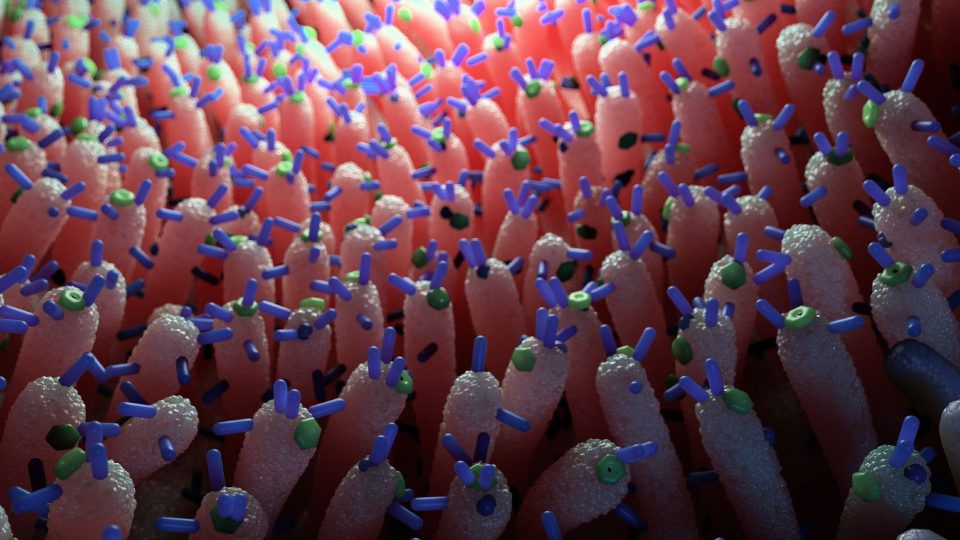
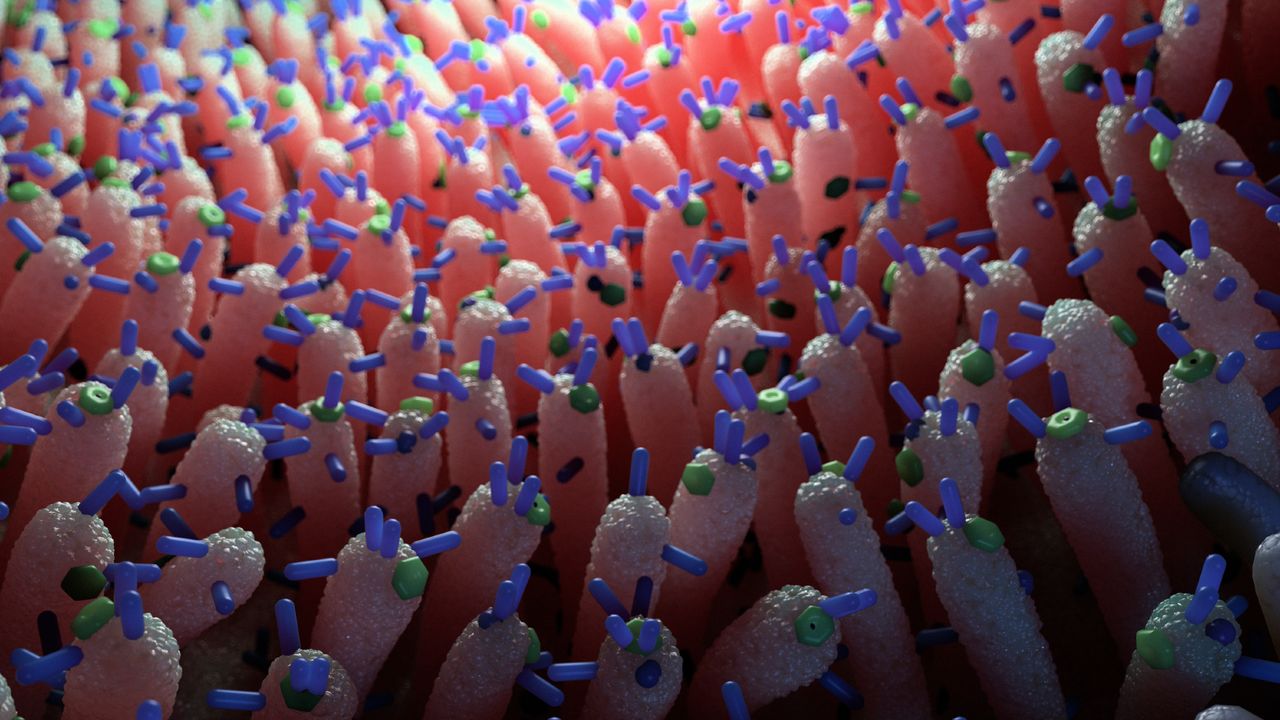
Viruses found in the intestines — collectively called the gut virome — activate the immune system to help metabolize carbohydrates, thereby reducing blood sugar spikes, a new study in mice shows.
The findings, published March 11 in the journal Cell Host & Microbe, hint that the virome may play a role in metabolic disorders such as diabetes, the study authors said.
Article continues below
The new findings lay the foundation for future virus-based therapies for diseases associated with changes to the community of microorganisms that exist inside the gut, Barr added.
Trillions of viruses thrive on and within different organs, including the gut, lungs, liver, kidneys and brain. Most of the viruses in the gut are bacteriophages, which infect bacteria and influence their growth, thus shaping the larger gut microbial ecosystem.
Past work showed that the composition of gut bacteriophages changes in metabolic disorders like obesity, nonalcoholic fatty liver disease and type 2 diabetes. This prompted Aikun Fu, a microbiologist at Zhejiang University in China, and his team to speculate that viruses that infect bacteria could influence how the body absorbs and digests nutrients — processes that are closely linked to metabolic health.
To test their hypothesis, the authors disrupted the gut viromes of mice, using an antiviral cocktail that primarily reduced bacteriophage levels, and fed the mice either a diet high in carbohydrates or one high in fats for 25 days. A disrupted gut virome had no noticeable effect on the digestion and absorption of nutrients in the animals that ate a high-fat diet. But mice that ate a high-carbohydrate diet had impaired sugar tolerance, even though the mice ramped up the expression of genes tied to carbohydrate digestion and absorption. These animals’ guts broke down carbohydrates quickly, leading to a sharp rise in blood glucose levels — a hallmark of diabetes.
The fact that the virome can directly stimulate and activate carbohydrate metabolism, a fundamental energy uptake and conservation pathway, is completely novel,
Jeremy Barr, virologist at Monash University
The antiviral cocktail did not affect the diversity or function of gut bacteria, indicating that the effects of the disrupted virome were independent of gut bacteria.
In a separate experiment, the team enriched the gut viral load in sterile mice that had no microbiome, either by transplanting viruses from the feces of another mouse or by directly injecting bacteriophages into the gut. In both cases, the mice showed improved glucose tolerance and reduced expression of carbohydrate digestion and absorption genes.
To understand how the bacteriophages brought about these metabolic changes, Fu and his team introduced fluorescent virus-like particles — viral proteins without the ability to replicate — into the mice’s guts and observed that the viruses were taken up by T cells, a subset of immune cells. Follow-up analysis showed that the virome spurred the immune system to release proteins that prevent too much glucose from being ferried into the blood. Without the phages, this immune response is blunted and more sugar enters the blood rapidly.
The team repeated the experiments using human small-intestine organoids — tiny versions of the organ grown from stem cells in the lab — populated with human gut viruses. They observed a similar relationship between the virome, the immune system and carbohydrate metabolism.
“The fact that the virome can directly stimulate and activate carbohydrate metabolism, a fundamental energy uptake and conservation pathway, is completely novel,” Barr said.
The study also suggests that researchers need to think about viruses when considering gut health, said Corinne Maurice, a microbiologist at McGill University who was not involved in the study. “They’re showing that there are interactions between the virome and the immune system that we hadn’t appreciated until now,” Maurice told Live Science.
While the findings highlight the importance of viruses in carbohydrate metabolism, the researchers don’t know how different types of viruses might affect the process.
Now, Fu wants to develop drugs or other strategies to alter the virome and, consequently, diseases like diabetes. However, experts emphasized that a lot of work still needs to be done to understand how the gut virome behaves in humans, across disease states, before any potential therapies are developed.
